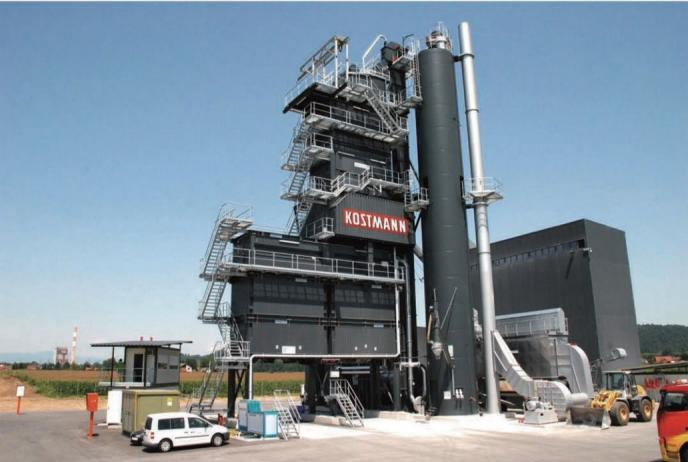


The Evolution of Asphalt Mixing Plants in the Era of Green Infrastructure
As the global community accelerates its efforts to combat climate change and achieve carbon neutrality, the construction industry faces unprecedented pressure to transform. Among the various sectors within infrastructure development, road construction remains a cornerstone of economic growth. At the heart of this industry lies a critical piece of machinery: the asphalt mixing plant. In 2024 and beyond, the narrative surrounding these plants is no longer just about production capacity; it is fundamentally about sustainability, digitalization, and adaptability to new material standards.
The Green Revolution in Road Construction
Historically, the asphalt mixing plant was often viewed as a source of pollution—emitting dust, smoke, and consuming vast amounts of fossil fuels. However, current global environmental regulations have forced a radical redesign of this equipment. Today, a modern asphalt mixing plant is a sophisticated industrial facility designed to minimize its ecological footprint.
The most significant trend is the integration of Warm Mix Asphalt (WMA) technologies. Unlike traditional Hot Mix Asphalt, which requires high temperatures to ensure the binder flows correctly, WMA technologies allow for mixing and laying at temperatures 20°C to 40°C lower. This reduction translates directly into lower fuel consumption and a significant decrease in greenhouse gas emissions. Manufacturers are now equipping plants with specialized foaming systems or chemical additive dosing units that reduce the viscosity of the bitumen, enabling production at these lower temperatures without compromising quality.
Furthermore, the push for a “circular economy” has turned the asphalt mixing plant into a recycling hub. The concept of Reclaimed Asphalt Pavement (RAP) is central to this shift. In the past, old road materials were often sent to landfills. Today, advanced plants are designed to reintegrate high percentages of RAP back into new mixes. Modern drum mix plants and batch mix plants are being fitted with specialized RAP feeding systems, separate RAP burners, and parallel drums to ensure the reclaimed material is heated gently without burning the bitumen. It is not uncommon now to see plants capable of incorporating 30% to 50% RAP, with some specialized facilities aiming even higher.
Digitalization and Smart Manufacturing
Beyond environmental concerns, the current industrial landscape is defined by Industry 4.0. The days of manual operation and analog gauges are fading. A contemporary asphalt mixing plant is now a data-driven ecosystem.
Automation systems have become the brain of the operation. These systems monitor every variable in real-time: aggregate moisture, drying temperature, mixing time, and bitumen flow rates. By utilizing advanced sensors and AI-driven algorithms, modern control towers can automatically adjust the mix design to compensate for variations in raw materials. For instance, if the moisture content of the sand increases due to rain, the system automatically adjusts the burner output and the aggregate feed rate to maintain the target temperature.
This digitalization extends to maintenance as well. Remote diagnostic capabilities allow manufacturers to troubleshoot issues from thousands of miles away. Predictive maintenance algorithms analyze vibration and temperature data from motors and bearings to predict failures before they happen, minimizing downtime. For construction companies operating on tight deadlines, this reliability is invaluable.
Meeting the Demands of Urbanization
Rapid urbanization, particularly in developing economies across Asia and Africa, continues to drive demand for high-quality road networks. However, urban road construction presents unique challenges: noise restrictions, limited space, and strict emission standards.
To address this, manufacturers are developing “city-friendly” designs. These plants feature advanced filtration systems, often utilizing baghouse filters that can reduce dust emissions to near-zero levels (below 20 mg/Nm³). Soundproofing and encapsulation of the main components are becoming standard to adhere to strict noise ordinances in residential areas.
Moreover, the modular design of modern plants allows for quicker installation and dismantling. This mobility is crucial for contractors who need to move the asphalt mixing plant between multiple project sites efficiently. The ability to set up a plant quickly reduces the overall project timeline and logistics costs.
The Future Outlook
As we look toward the latter half of the decade, the role of the asphalt mixing plant will continue to evolve. We are likely to see the integration of alternative fuels, such as hydrogen or biofuels, replacing natural gas and heavy oil in the drying process. Additionally, the recycling capabilities will likely expand to include other construction wastes, turning the plant into a multi-functional material processing center.
In conclusion, the asphalt mixing plant is undergoing a profound transformation. It is shifting from a simple production unit to a high-tech, eco-friendly, and intelligent facility. As governments worldwide invest in green infrastructure, the technology behind asphalt production will remain a critical factor in building a sustainable future.