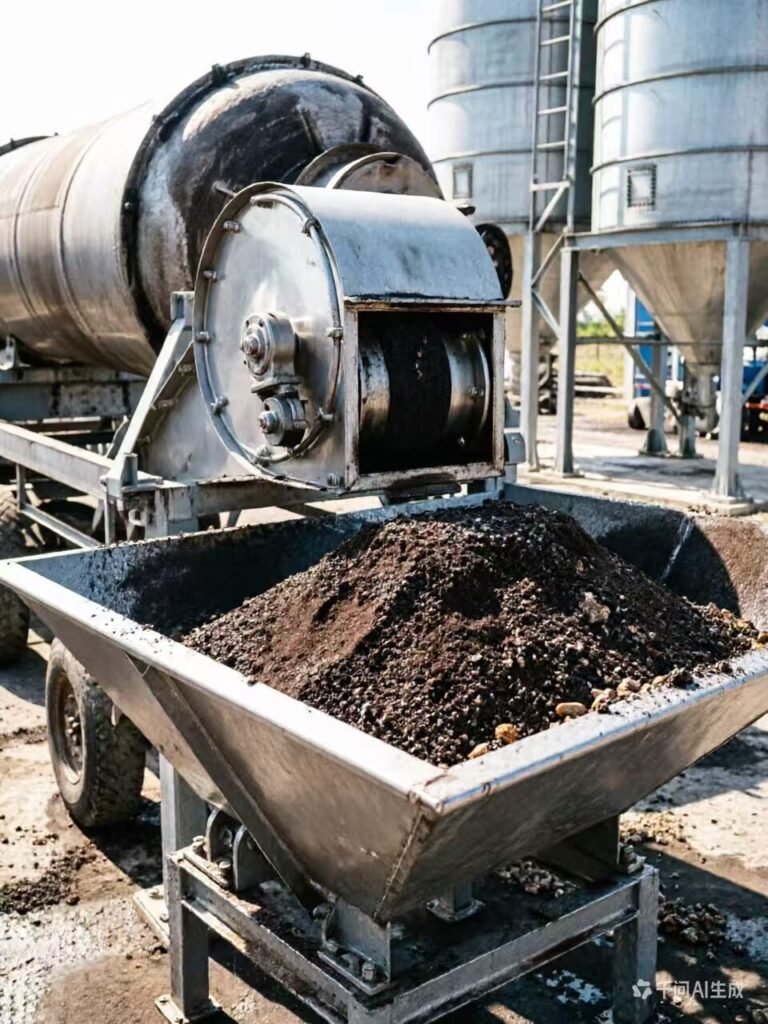


The Critical Role of the Asphalt Mixing Plant Feeder in Modern Road Construction
In the complex and highly synchronized world of asphalt production, the asphalt mixing plant feeder stands as a titan of industry, transforming raw aggregates into the durable surfaces that pave our highways and cities. While the drying drum and the (mixing pugmill) often steal the spotlight for their dramatic transformations of material, the unsung hero of this entire operation is the asphalt mixing plant feeder. This component, often existing as a series of specialized systems rather than a single device, acts as the physiological “circulatory system” of the plant. Its primary mandate is deceptively simple: to deliver the right material, in the right amount, at the right time. However, the efficiency, precision, and reliability of these feeders directly dictate the quality of the final asphalt mix, the fuel consumption of the plant, and the overall profitability of the construction project.
The journey of an asphalt mixing plant feeder begins at the very start of the production line: the cold aggregate supply system. Here, the feeder—typically a belt feeder or a variable-speed belt conveyor—serves as the gatekeeper of raw materials. Aggregates of varying sizes, from coarse stones to fine sand, are stored in cold feed bins. The feeder’s job is to extract these materials and deposit them onto the main collection conveyor. This is not merely a task of moving rocks; it is an exercise in proportioning. Modern feeders are equipped with variable frequency drives that allow operators to adjust the speed of the belt precisely. This speed control determines the flow rate of each aggregate type. If the feeder is inconsistent—suffering from surging or blockages—the gradation of the final asphalt mix will be compromised. A consistent, uniform feed is essential to ensure that the drying drum receives a steady stream of material, preventing thermal shocks and ensuring that every stone is dried to the exact moisture content required.
Once the aggregates have been dried and heated, the role of the feeder evolves into that of the hot elevator, or hot aggregate feeder. This is a critical transition point where the material has already undergone significant energy input. The hot elevator, often a chain-driven bucket elevator, acts as a vertical feeder, lifting the superheated stones to the top of the mixing tower. The efficiency of this feeder is paramount; it must handle materials at temperatures exceeding 150°C without slipping or causing spillage. More importantly, it feeds the vibrating screens. If this feeder creates a bottleneck, the drying drum cannot discharge its load, forcing the burner to idle or the entire plant to shut down. Conversely, if it feeds too aggressively, it can overload the screens, causing poor separation of aggregate sizes and leading to off-spec material entering the hot bins. Thus, the hot feeder is the stabilizer of the plant’s internal logistics, ensuring a smooth flow between the heating and screening stages.
Parallel to the aggregate flow is the filler supply system, which relies on a specialized type of feeder: the screw conveyor. In asphalt production, mineral filler—often limestone dust or fly ash—is essential for filling the microscopic voids between aggregates and stiffening the asphalt binder. Unlike the free-flowing aggregates, filler is a fine powder that is prone to bridging and clogging. The screw feeder is designed to combat this, using a rotating helical blade to force the powder from the storage silo into the weighing hopper. The precision of this feeder is non-negotiable. Because the percentage of filler in the mix is relatively small but chemically significant, even a minor fluctuation in the feed rate can alter the viscosity of the asphalt. A high-quality screw feeder ensures a pulse-free, consistent delivery, allowing the weigh batcher to capture the exact mass required by the mix design formula.
The synergy between these various feeders is orchestrated by the plant’s central control system, yet the mechanical integrity of the feeder itself remains the foundation of this automation. In an era where environmental regulations are becoming increasingly stringent, the efficiency of the asphalt mixing plant feeder also plays a vital role in emissions control. A steady feed into the drying drum allows the burner to operate at peak combustion efficiency. If the feeder creates an uneven load—dumping too much cold material at once—the burner must work harder to maintain temperature, leading to increased fuel consumption and higher carbon emissions. Furthermore, modern plants often utilize reclaimed asphalt pavement (RAP). Feeding RAP requires a specialized approach, often involving a separate feeder system that introduces the recycled material at a specific point to prevent it from being overheated and damaged. The ability of a plant to integrate these diverse feeders—cold, hot, filler, and RAP—determines its versatility and its environmental footprint.
Ultimately, the asphalt mixing plant feeder is far more than a simple conveyor. It is the heartbeat of the production process. From the initial metering of cold stones to the precise dosing of mineral powders, the feeder ensures that the complex recipe of asphalt is executed with mathematical precision. Without a reliable feeder, the most advanced drying drums and mixing pugmills would be rendered useless, starving for material or overwhelmed by inconsistency. As the construction industry moves towards smarter, more sustainable paving solutions, the technology behind these feeders continues to advance, promising even greater levels of accuracy and efficiency in the roads we build.