
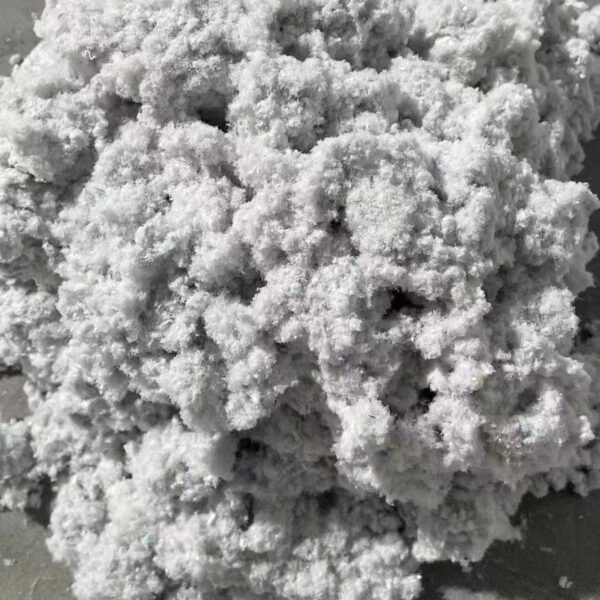
Lignin Fiber Introduction
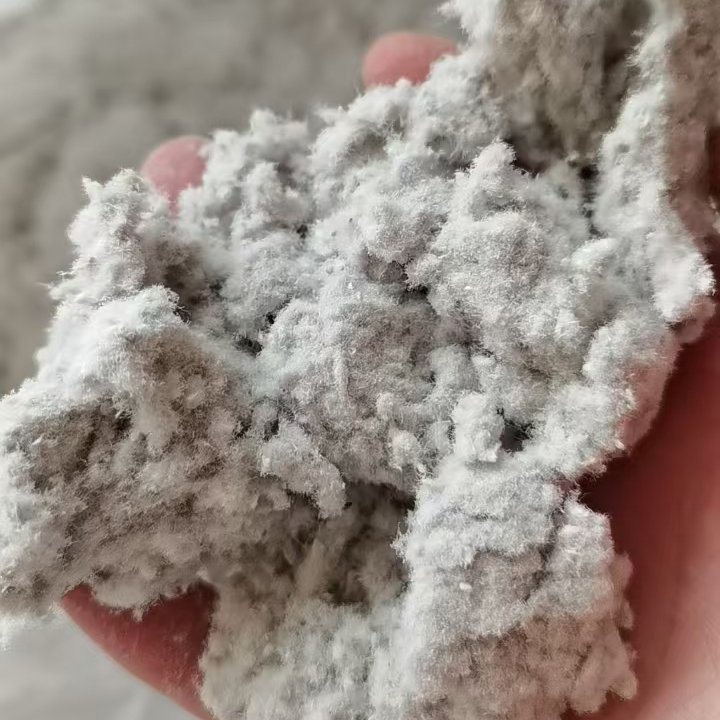
Lignin fiber reinforcement for concrete is an organic fiber, usually appearing as gray flocculent. During production, it undergoes a treatment temperature of over 250℃, which renders it chemically highly stable under normal conditions. It is resistant to corrosion by general solvents, acids, and alkalis, and boasts excellent properties such as non-toxicity, odorlessness, pollution-free, and non-radioactivity. Being harmless to the human body and environmentally friendly, it is classified as a green product. The structure of lignin fiber is ribbon-like, curved, uneven, and porous, endowed with good toughness, dispersibility, and chemical stability, along with strong water absorption capacity. When added in the production of asphalt mixtures, lignin fiber can effectively enhance the stability of the produced asphalt mixtures, thereby improving the quality of the paved asphalt pavement.
Lignin fiber Action Mechanism
Adding lignin fiber to asphalt mixtures can improve the stability of the mixtures and effectively prevent the occurrence of diseases like cracking, bleeding, and aging of asphalt pavements. In summary, lignin fiber plays the following roles in asphalt mixtures.
It exerts a reinforcing effect: lignin fiber distributes in a three-dimensional structure within the mixture, similar to how farmers add paper fibers or straw to the mortar for plastering adobe houses, thus achieving a reinforcing function.
It also has a dispersing effect: without fibers, the large amount of asphalt mineral powder is likely to form agglomerates, which is the cause of oil spots on asphalt pavements. The addition of fibers can well disperse asphalt mineral powder, effectively preventing the formation of oil spots on asphalt pavements.
Moreover,fiber reinforcement for concrete has an adsorbing effect: lignin fiber can adsorb oil 5-6 times its own weight, so adding it to asphalt mixtures can increase the asphalt dosage, thicken the asphalt film, and play a role in thickening and crack resistance.
Additionally, fiber reinforcement for concrete provides a stabilizing effect: lignin fiber can keep the asphalt film in a relatively stable state. Especially in high-temperature summer, when asphalt expands due to heat, the internal voids of the fibers will serve as a buffer space, improving the high-temperature stability of asphalt pavements.
Lignin fiber Application Fields
Lignin fiber is widely used in F1 race tracks, pavements and parking lots in high-temperature and rainy areas, anti-skid surface layers of highways, urban expressways and trunk roads, bridge deck pavements especially steel bridge deck pavements, pavements in alpine regions to prevent temperature shrinkage cracks, bus-only lanes of urban roads, heavy-traffic highway sections as well as sections with many heavy and overloaded vehicles, urban road intersections, bus stations, freight yards and ports, and airport runways.
Lignin fiber Usage Instructions
Recommended Dosage: The usual dosage is 0.3% of the total mass of the produced asphalt mixture, and the specific dosage shall follow the design requirements.
Packaging: The conventional packaging of Luxin lignin fiber is 20kg per bag (customizable according to customer requirements).
Construction Process: A fiber feeder can be used to feed the fiber into the asphalt mixing tank at a fixed time and quantity, which is then mixed directly with the asphalt mixture.
Lignin fiber reinforcement for concrete Storage Methods
Waterproofing: Lignin fiber easily absorbs moisture from the air and gets damp, so it is required to be stored in a warehouse with good ventilation and waterproofing. When stored outdoors, it should be stacked neatly in a high-lying area, and waterproof plastic cloth should be prepared to prevent rain.
Fire Prevention: No debris should be piled around the storage area of lignin fiber. Fire prevention measures should be taken, fire-fighting equipment should be equipped, and sufficient fire safety passages should be reserved.
| Lignin fiber reinforcement for concrete Specification : | |||
| Application | Outdoor | Project Solution Capability |
total solution for projects, Others |
| Place of Origin | Shandong,China | Design Style | Modern |
| Model Number | JWM-60 | Warranty | 2 Years |
| Color | Gray | Application | Highway and SMA Road |
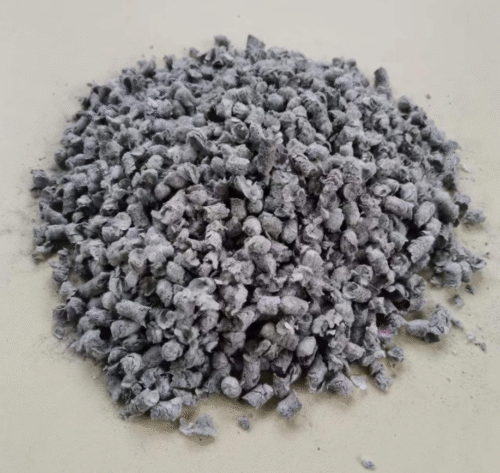
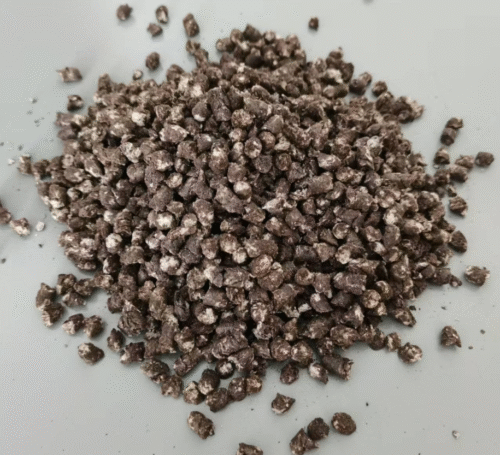
| Pellet Length | <6mm | Diameter | 4-6mm |
| Oil obsorption | 5~8 times more than cellulose weight |
Moisture Content | <5% |
| PH Value | 7.5±1.0 | Ash Content | 18±5% |
| Single gross weight |
30.000 kg | Single package Size |
80X40X20 cm |
评价
目前还没有评价