

The Unsung Hero of China’s Infrastructure: How Asphalt Fiber is Reshaping the Nation’s Roads
China’s infrastructure development over the past two decades has been nothing short of a miracle. From the sprawling expressway networks connecting remote provinces to the massive airport runways handling millions of flights annually, the scale and speed of construction are unparalleled in human history. However, behind the gleaming concrete and smooth blacktop lies a critical, often overlooked component that ensures these structures withstand the test of time: asphalt fiber. This specialized material has become the silent guardian of China’s transportation arteries, playing a pivotal role in enhancing durability, safety, and sustainability.
The Evolution of Chinese Road Construction
To understand the significance of asphalt fiber, one must first appreciate the challenges inherent in China’s diverse geography. The country spans from the freezing temperatures of Heilongjiang in the north to the tropical heat of Hainan in the south, and from the arid deserts of Xinjiang to the humid coastal regions of the east. Traditional asphalt mixtures, while effective in moderate climates, often struggle under such extreme variations. Cracking due to thermal stress, rutting from heavy loads, and water damage are common failures that plague conventional roads.
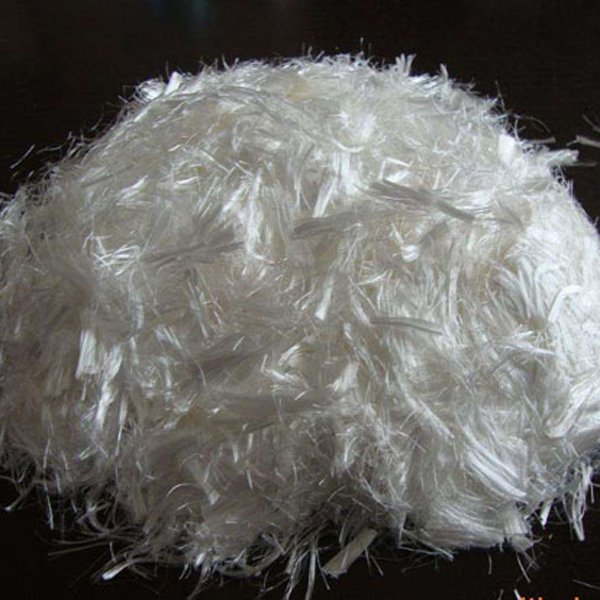
Enter asphalt fiber. Originally developed in Europe for high-performance racing tracks, this material consists of microscopic strands—usually made from polyester, lignin, or cellulose—that are mixed into the asphalt binder. These fibers act as a microscopic reinforcement mesh, holding the aggregate together and preventing the separation of oil and stone. In the context of China’s “National Trunk Highway System,” the adoption of asphalt fiber has transformed standard roads into high-performance surfaces capable of enduring millions of heavy truck passages without significant deformation.
Enhancing Durability in Extreme Climates
One of the most compelling applications of asphalt fiber can be found in the Qinghai-Tibet Highway. This engineering marvel traverses permafrost regions where the ground freezes and thaws cyclically, causing massive instability in road foundations. Standard asphalt would crack and disintegrate within a few years under such conditions. However, by incorporating high-modulus asphalt fiber into the mix, engineers have created a flexible yet robust surface layer. The fibers bridge micro-cracks before they can propagate, effectively extending the service life of the road by decades. This innovation is not just about convenience; it is a lifeline for the remote communities and logistical supply chains that depend on this route.
Similarly, in the Yangtze River Delta, where heavy rainfall and high traffic density are the norms, asphalt fiber plays a crucial role in preventing water damage. The fibrous network increases the viscosity of the asphalt binder, ensuring that the coating on the stones remains intact even when submerged. This anti-stripping property is vital for maintaining the structural integrity of bridges and elevated highways in Shanghai and Jiangsu, where maintenance windows are short and traffic disruption must be minimized.
Sustainability and the “Green Road” Initiative
As China pivots towards ecological civilization, the construction industry is under pressure to reduce its carbon footprint. Here again, asphalt fiber proves to be an unexpected ally. By enhancing the durability of road surfaces, the need for frequent resurfacing and major repairs is significantly reduced. Every time a road is repaired, it consumes energy, raw materials, and generates emissions. A road that lasts 15 years instead of 10 due to the addition of asphalt fiber represents a massive saving in lifecycle carbon emissions.
Furthermore, the use of asphalt fiber facilitates the recycling of old asphalt pavement. In many provinces, old road materials are milled, crushed, and reused in new mixes. The addition of fresh fibers restores the tensile strength of the aged binder, allowing for a higher percentage of recycled content without compromising quality. This aligns perfectly with China’s circular economy goals, turning waste into a resource and reducing the demand for virgin quarry materials.
The Economic Impact
The economic implications of widespread asphalt fiber usage are profound. China’s logistics industry relies on the seamless movement of goods. Potholes, cracks, and road closures cost the economy billions in delays and vehicle repairs. By investing in higher-quality materials like asphalt fiber during the initial construction phase, the state saves exponentially on maintenance costs in the long run. It is a classic example of “building it right the first time.”
Moreover, the domestic production of asphalt fiber has spurred a new niche in the chemical manufacturing sector. Chinese companies have moved from importing these specialized fibers to producing them locally, driving down costs and making the technology accessible for municipal roads and rural infrastructure projects, not just national highways. This technological self-sufficiency is a testament to China’s growing prowess in material science.
Conclusion
As we look at the ribbon of highways stretching across the Chinese landscape, it is easy to be awed by the sheer magnitude of the bridges and tunnels. Yet, the true sophistication of this infrastructure lies in the microscopic details. Asphalt fiber may be invisible to the naked eye once the road is paved, but its impact is felt by every driver, every logistics company, and every citizen who relies on the stability of the ground beneath them. It represents a shift from quantity to quality in China’s infrastructure narrative. As the country continues to build and upgrade its networks, asphalt fiber will undoubtedly remain a cornerstone of this enduring legacy, ensuring that the roads of today remain the highways of tomorrow.