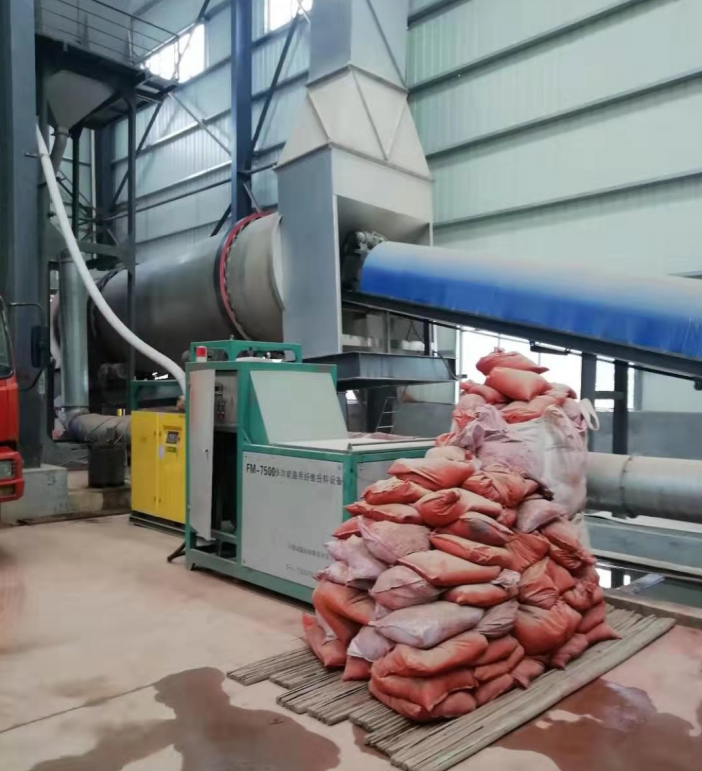


In modern road construction and asphalt pavement engineering, the precise and efficient delivery of additives is critical to ensuring the durability, performance, and longevity of road surfaces. Among these essential pieces of equipment, the road-use lignocellulose feeder machine stands out as a cornerstone technology, designed to automate and optimize the dosing of lignocellulose fibers into asphalt mixtures. This article explores the primary use cases and key technical features of these specialized machines, highlighting their indispensable role in modern infrastructure development.
Primary Use Scenarios
- Asphalt Mixture Production
The most common application of lignocellulose feeder machines is in asphalt batching plants. Lignocellulose, a natural fiber derived from wood, is a critical modifier that enhances the mechanical properties of asphalt. When integrated into the mixture, it improves the pavement’s resistance to cracking, fatigue, and water damage. The feeder machine ensures that lignocellulose is dosed accurately and consistently, directly into the mixing chamber, at the precise stage of the production process. This precision is vital for maintaining the homogeneity of the asphalt mixture, which directly impacts the quality of the final road surface.
- Road Maintenance and Rehabilitation
Beyond new construction, these machines are also essential in road maintenance and rehabilitation projects. When resurfacing or repairing existing roads, lignocellulose is often used to reinforce the overlay asphalt layer. The feeder machine allows contractors to seamlessly integrate the fiber into the mix on-site, ensuring that the repair material meets the same high standards as the original construction. This capability is particularly valuable for extending the service life of aging road infrastructure.
- Specialized Pavement Applications
Lignocellulose feeder machines are also deployed in the construction of specialized pavements, such as those for airports, heavy-duty industrial zones, and high-traffic highways. These environments demand superior performance from road surfaces, and lignocellulose-modified asphalt provides the necessary durability and resistance to heavy loads and extreme weather conditions. The feeder machine’s ability to handle large volumes of material while maintaining dosing accuracy makes it ideal for these high-stakes projects.
Key Technical Features
- Precision Dosing System
At the heart of any high-quality lignocellulose feeder machine is its precision dosing system. These machines are equipped with advanced metering mechanisms, such as screw conveyors or belt feeders, that are calibrated to deliver exact quantities of lignocellulose. The dosing accuracy is typically within ±1% of the target value, ensuring that the asphalt mixture contains the optimal fiber content. This level of precision eliminates the risk of over- or under-dosing, which can compromise the mixture’s performance.
- Automated Control and Integration
Modern feeder machines feature fully automated control systems that can be seamlessly integrated into the overall asphalt production process. Operators can set the desired dosage rate and material volume through a user-friendly touchscreen interface, and the machine will automatically adjust its operation to maintain these parameters. Many models also support remote monitoring and control, allowing plant managers to oversee operations from a central control room. This automation not only reduces the need for manual labor but also minimizes the potential for human error.
- Robust Construction and Material Compatibility
Given the demanding conditions of construction sites, lignocellulose feeder machines are built for durability. They are constructed from heavy-duty materials, such as stainless steel, to resist corrosion and abrasion from the fibrous material. The machines are also designed to handle the unique properties of lignocellulose, which can be dusty and prone to clogging. Features like anti-bridging hoppers and variable-speed conveyors ensure a consistent flow of material, even under challenging conditions.
- Energy Efficiency and Environmental Compliance
Sustainability is a growing concern in the construction industry, and modern feeder machines are designed with energy efficiency in mind. They are equipped with energy-saving motors and optimized drive systems that reduce power consumption without compromising performance. Additionally, the machines often include dust collection systems to minimize airborne particulate matter, helping construction sites comply with environmental regulations and improve worker safety.
Conclusion
The road-use lignocellulose feeder machine is a vital piece of equipment that underpins the quality and sustainability of modern road construction. By enabling the precise and efficient dosing of lignocellulose fibers, these machines ensure that asphalt pavements are more durable, resilient, and long-lasting. Their technical features, from precision dosing to automated control, make them an indispensable tool for contractors and infrastructure developers worldwide. As the demand for high-performance road infrastructure continues to grow, the role of these specialized machines will only become more critical in shaping the future of transportation networks.